Start with Retention: Rethinking the Talent Equation
Jason Desentz, CHRO of Toshiba America
Love the episode? Leave a review on your favorite podcast platform!
⭐⭐⭐⭐⭐



For decades, the standard HR playbook has been attract, retain, develop. Jason Desentz says we should rethink that order.
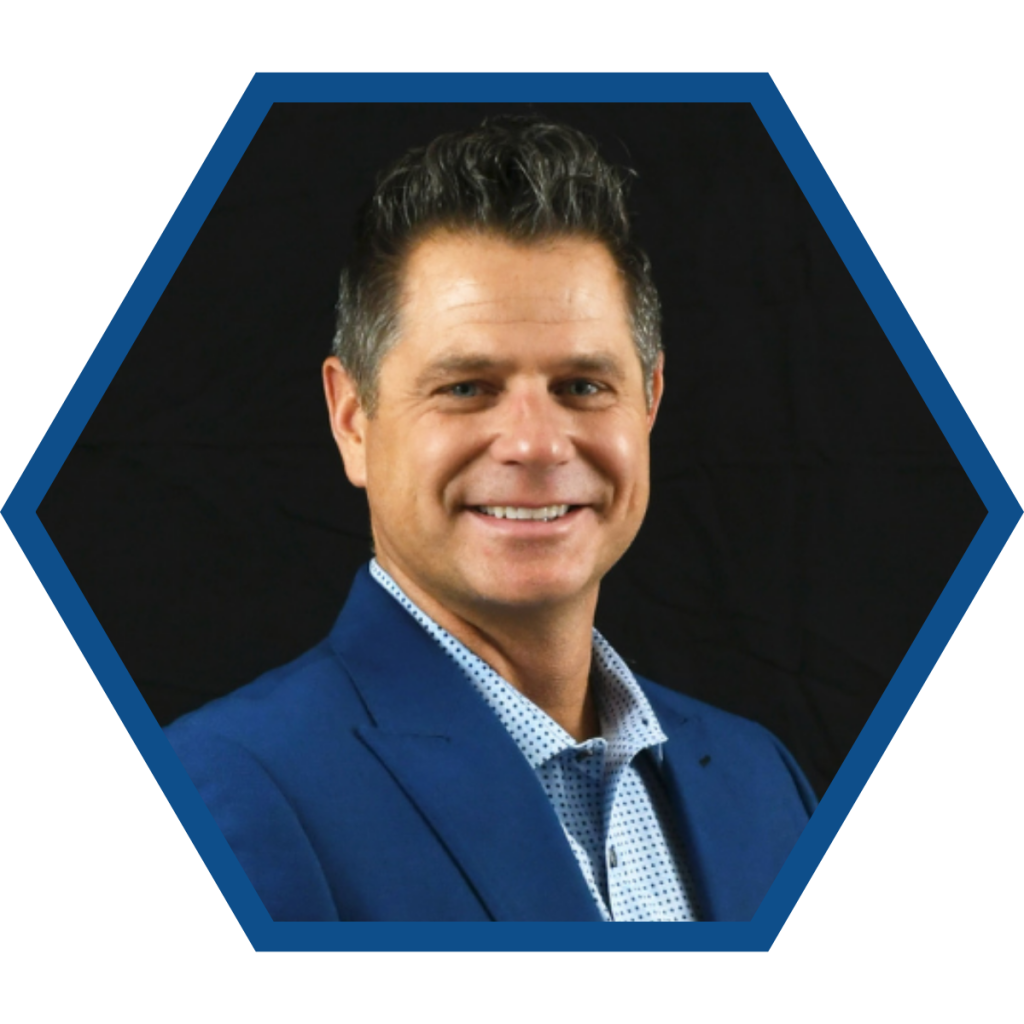 As Chief Human Resources Officer of Toshiba America, Desentz starts with the people already inside the business. In technical fields where experienced employees can take a year or more to train, retention is not simply an HR metric. It affects how quickly a company can grow, respond to new demand and capitalize on emerging markets. That equation is becoming even more important as AI infrastructure drives investment in energy and advanced technology while manufacturers compete for a limited pool of skilled technical talent.
Desentz brings an unusually business-first perspective to HR. He evaluates people decisions against ROI, challenges his team to experiment with AI, and argues that HR leaders need to understand the technology, operations and economics of the companies they serve. At the same time, his approach is deeply human: listen to employees, get creative about the employee experience, invest in development and give people opportunities to try something new. From rebuilding pathways into manufacturing to preparing 6,000 Toshiba employees across the Americas for AI, this conversation explores what changes when people strategy becomes business strategy.
In this episode:
- Why the return of U.S. manufacturing is colliding with a technical talent pipeline weakened by decades of offshoring
- How AI-driven data centers are creating new workforce demand across energy, infrastructure and field service
- Why Desentz puts retention before attraction when thinking about talent strategy
- How Toshiba evaluates the ROI of retaining highly specialized employees who can take more than a year to train
- Why CHROs need to understand the CEO, operations, technology and business economics, not just HR
- How high-school co-ops, technical education and experiential learning can rebuild pathways into manufacturing careers
Watch the Full Episode on YouTube
3 Big Takeaways from this Episode:
1. Your workforce strategy is part of your growth strategy.
Toshiba sees significant opportunity as AI and data-center investment drives demand for energy generation, storage and infrastructure. But capturing that opportunity requires having specialized technical talent available when demand arrives. For a CHRO, workforce capacity becomes a strategic constraint that has to be planned alongside growth.
2. Calculate the business value of retaining technical expertise.
Some Toshiba field-service employees require more than a year of training to service complex equipment. Desentz estimates losing one could cost roughly $100,000, before accounting for the time required to rebuild that expertise. That changes the economics of retention: spending creatively to improve an employee’s experience can be far less expensive than replacing specialized capability.
3. Build AI capability by giving employees real problems to solve.
Toshiba launched a six-course AI-readiness curriculum through Toshiba University, but Desentz didn’t stop at instruction. His HR organization formed teams to build AI agents around actual business needs, including payroll, attendance and recruiting. Employees learned the technology by applying it, while Toshiba surfaced tools it could potentially deploy in the business.
Resources in this Episode:
- Toshiba America – Technology and manufacturing businesses spanning energy, infrastructure, data storage, semiconductors and other markets across the Americas
Connect with our guest online:
Jason Desentz - LinkedIn | Toshiba Americas - LinkedIn | Facebook | YouTube
You might also like...
What our listeners are saying
The #1 podcast in TechEd
This podcast is a great resource to keep up with all the exciting changes in the world of manufacturing and technology. Get key insight from industry leaders from the Midwest and around the globe that you won’t find anywhere else. A must listen for anyone interested in how technology is changing the way businesses operate.
The pulse of Industry 4.0
This podcast has its fingers on the pulse of Industry 4.0, and Matt K. is a phenomenal guide, traversing the complexities of manufacturing and education in one forum. A+ work all around!
Compelling
I find Matt's approach to be very compelling. He brings both perspectives, industry AND education. He doesn't hold back on what he thinks is important...
New and Exciting Content With Every Episode
I really enjoy listening to this podcast when I'm driving or have a free moment. Each episode brings a new guest with a fresh and exciting perspective of both education and the workforce!
I needed this podcast back when I was in High School!
Such great content that deserves more attention at all level of education. I wish I heard some of these episodes when I was navigating my own career path. Incredible guests, with incredible messages to share. Keep up the great work!
Inspiring topics featuring inspiring leaders
I’ve listened to most of your weekly podcasts and enjoy listening to the stories and conversations that feature business and education leaders from Wisconsin. Kudos to you for creating a platform that presents ideas and success stories that are important to Career and Technical Education teachers and leaders.
Best Career and TechEd Podcast
There are a lot of education podcasts out there. This is the only one that really focuses on bringing together voices from inside AND outside education and focuses specifically on STEM and Career/Tech Ed. This is a great podcast for anyone in education and also for anyone who employs STEM or skilled-trades talent in their workforce.
Filling in Gaps
This show spotlights a large and growing aspect of education that doesn’t get enough attention. Practical and technical education is a field growing exponentially. This podcast Highlights many of the facets of this diverse field.
Fantastic Topics on the Future of Industry
These podcasts are the best for learning about current and future technology. The stories are great. We need more of these interviews.