
The Making of Artemis II and the Generation That Will Build the Moon Base
Dr. Sharon Cobb, Associate Program Manager, NASA Space Launch System
Love the episode? Leave a review on your favorite podcast platform!
⭐⭐⭐⭐⭐



For the first time in more than half a century, NASA is preparing to send humans around the Moon, laying the foundation for a sustained lunar presence and the eventual journey to Mars.
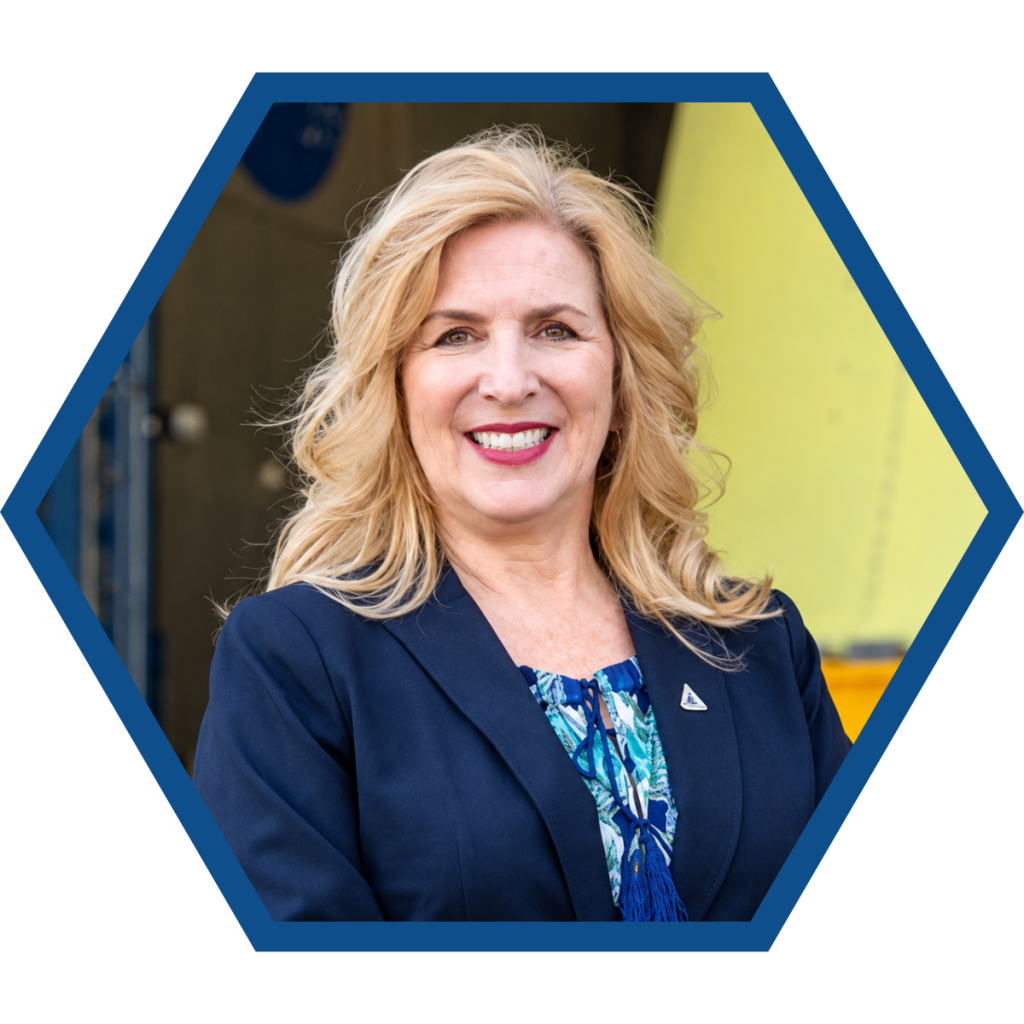 Just months after the successful completion of Artemis II, Sharon Cobb, Associate Program Manager for NASA's Space Launch System, returns to The TechEd Podcast with a behind-the-scenes look at the engineering, manufacturing, testing, data and emotions that went into the successful Artemis II mission.
Sharon shares firsthand stories, like facing a critical hydrogen leak discovered during testing, how NASA solved the problem without rolling the rocket back from the launch pad, and why the mission ultimately achieved an astonishing 99.94% orbital insertion accuracy. She also explains how breakthroughs in additive manufacturing, digital modeling, and systems engineering are transforming the way rockets are designed, built, and tested.
Looking ahead, Sharon outlines NASA's vision for NASA's Moon Base the infrastructure needed for a sustained human presence on the lunar surface, and the technologies that will make future missions to Mars possible. Along the way, she offers her perspective on the "Artemis Generation," why systems thinking matters more than ever, and how students can prepare today for careers that may not even exist yet.
In this episode, you’ll hear:
- 3 skills students need if they want to work at NASA
- How 3,800 suppliers across all 50 states help power Artemis
- Why NASA can now simulate missions that once required live testing
- The manufacturing breakthrough changing how rocket engines are built
- What it'll take to achievema sustained presence on the moon (and eventually Mars)
Watch the Full Episode on YouTube
3 Big Takeaways from this Episode:
1. Artemis II was the product of thousands of engineering decisions made between launches.Between Artemis I and Artemis II, NASA teams stacked and integrated the vehicle, completed multiple rounds of testing, investigated and resolved a hydrogen leak discovered during a wet dress rehearsal, and modified hardware to improve performance. The mission ultimately achieved 99.94% orbital insertion accuracy, validating years of analysis, simulation, testing, and problem-solving across the program.
2. NASA's success depends on a nationwide manufacturing ecosystem. The Artemis program relies on 3,800 suppliers across all 50 states to provide the components, materials, and systems required to build and launch its missions. Sharon emphasized that behind every launch are manufacturers, technicians, welders, quality professionals, and skilled tradespeople whose work must meet exceptionally demanding standards because many of these components have only one opportunity to perform.
3. The Artemis Generation will build Moon Base and carry humanity farther into deep space. As NASA shifts its focus toward Moon Base, future missions will require the engineers, technicians, program managers, systems thinkers, and manufacturing professionals capable of building lunar infrastructure and eventually enabling missions to Mars. Sharon highlighted multiple pathways into those careers, including internships, two-year technical degrees, certifications, apprenticeships, and traditional engineering programs, emphasizing that there is no single route into a place like NASA.
Resources in this Episode:
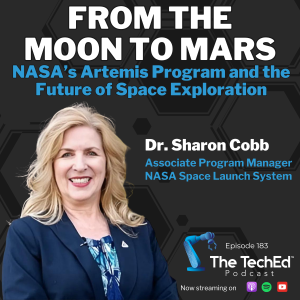
- Catch up on the story by starting with episode 1 with Sharon Cobb: From the Moon to Mars: NASA's Artemis Program and the Future of Space Exploration
- Artemis Program
- Space Launch System (SLS)
NASA Career & Internship Resources:
- NASA Jobs at USAJobs.gov
- NASA Interships
- NASA Pathways program
Other resources mentioned:
Connect with our guest online:
Dr. Sharon Cobb - LinkedIn | LinkedIn | Facebook | Instagram
You might also like...


What our listeners are saying
The #1 podcast in TechEd
This podcast is a great resource to keep up with all the exciting changes in the world of manufacturing and technology. Get key insight from industry leaders from the Midwest and around the globe that you won’t find anywhere else. A must listen for anyone interested in how technology is changing the way businesses operate.
The pulse of Industry 4.0
This podcast has its fingers on the pulse of Industry 4.0, and Matt K. is a phenomenal guide, traversing the complexities of manufacturing and education in one forum. A+ work all around!
Compelling
I find Matt's approach to be very compelling. He brings both perspectives, industry AND education. He doesn't hold back on what he thinks is important...
New and Exciting Content With Every Episode
I really enjoy listening to this podcast when I'm driving or have a free moment. Each episode brings a new guest with a fresh and exciting perspective of both education and the workforce!
I needed this podcast back when I was in High School!
Such great content that deserves more attention at all level of education. I wish I heard some of these episodes when I was navigating my own career path. Incredible guests, with incredible messages to share. Keep up the great work!
Inspiring topics featuring inspiring leaders
I’ve listened to most of your weekly podcasts and enjoy listening to the stories and conversations that feature business and education leaders from Wisconsin. Kudos to you for creating a platform that presents ideas and success stories that are important to Career and Technical Education teachers and leaders.
Best Career and TechEd Podcast
There are a lot of education podcasts out there. This is the only one that really focuses on bringing together voices from inside AND outside education and focuses specifically on STEM and Career/Tech Ed. This is a great podcast for anyone in education and also for anyone who employs STEM or skilled-trades talent in their workforce.
Filling in Gaps
This show spotlights a large and growing aspect of education that doesn’t get enough attention. Practical and technical education is a field growing exponentially. This podcast Highlights many of the facets of this diverse field.
Fantastic Topics on the Future of Industry
These podcasts are the best for learning about current and future technology. The stories are great. We need more of these interviews.